EU Inc. Corporate Legal Form Overview by PKF Germany
This document provides an overview of the EU Inc. corporate legal form as presented by PKF Germany.
EU member state · DE
Deutschland
Government engaging substantively, supporting the direction with specific amendments.
Public statements about preparation, no concrete action visible yet.
EU member since 1958, eurozone since 1999
Section 1
No operator-written summary yet. Default reading: As of the latest review, the Germany position is constructive. Government engaging substantively, supporting the direction with specific amendments.
55 events on record
This document provides an overview of the EU Inc. corporate legal form as presented by PKF Germany.
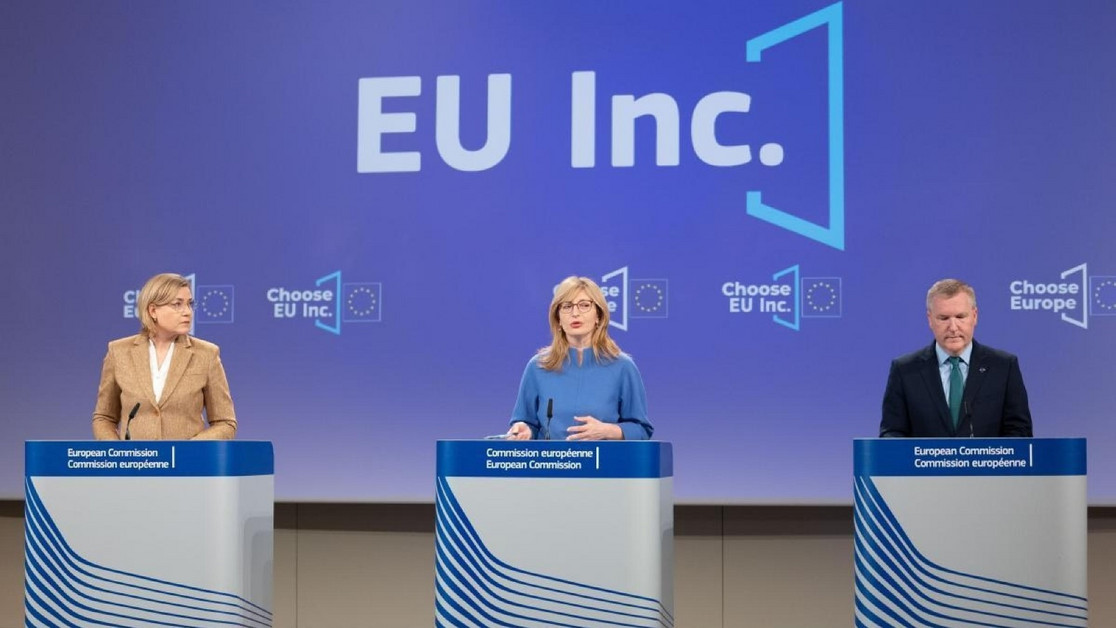
The European Commission is planning a uniform legal form across the EU known as EU Inc. SBS Legal explains the formation, potential benefits, and criticisms of this 28th regime.
Die Europäische Kommission hat ein umfassendes Legislativpaket zur Einführung der EU Inc vorgelegt – einer optionalen, EU-weit einheitlichen Gesellschaftsrechtsform als 28. Regime. Für Finanzdienstleister wirft dieser Vorschlag grundlegende Fragen zur Bankfähigkeit, Investierbarkeit und Marktinfrastrukturkompatibilität auf und berührt die gesamte Finanzierungskette von der Gründung bis zur Insolvenz.

The European Union is planning the EU Inc. initiative, which aims to allow company registration within 48 hours for a maximum cost of 100 euros and no minimum capital requirement. The proposal outlines the current status of the legislation.
With Christine Lagarde warning that Europe’s old growth engine is wearing out and policy makers floating ideas like an EU wide corporate form and deeper capital markets, the region’s big universal and investment banks sit at a crossroads. For investors, this mix of pressure and potential reform can create rare mispricing. This article walks through three EU banking stocks exposed to these shifts and explains what their capital markets focus may mean for how you think about your portfolio. The...
With Christine Lagarde warning that Europe’s old growth engine is wearing out and policy makers floating ideas like an EU wide corporate form and deeper capital markets, the region’s big universal and investment banks sit at a crossroads. For investors, this mix of pressure and potential reform can create rare mispricing. This article walks through three EU banking stocks exposed to these shifts and explains what their capital markets focus may mean for how you think about your portfolio. The...
The German Federal Government has announced plans to restrict co-determination arrangements through European Companies (SE) established without employees, potentially ending the use of 'Shelf SEs' to circumvent German co-determination law. While no draft bill or specific implementation provisions have been announced, companies currently planning or preparing SE structures should closely monitor developments and examine their available options.
The proposed EU Inc. aims to simplify business formation across Europe and improve startup access to the single market.
The proposed EU Inc. legal form is popular among startups, with 62 percent saying they would use it for their next company. Founders are primarily interested in reduced bureaucracy and easier expansion across borders.
The proposed EU Inc. business structure aims to allow company registration within 48 hours. The German government intends to ensure that anti-money laundering laws fully apply to these entities.
Loading more
Showing 10 of 55
10 of 55
Section 2
Topics that Germany has raised or is expected to raise on EU Inc. Each tag links to the cross-country view of that topic.
Section 3
Seven standardised questions, the same on every country page. Status values are operator-overridable.
| Question | Status | Last evidence | Source |
|---|---|---|---|
| Has the government endorsed the proposal? | Yes | data.consilium.europa.eu | |
| Has the national parliament held a scrutiny debate? | Scheduled | bundestag.de | |
| Has the responsible ministry published a position? | Partial | bmj.de | |
| Has the business registry signaled technical preparation? | No | Not yet | unternehmensregister.de |
| Has the tax authority published EU-ESO guidance? | No | Not yet | bundesfinanzministerium.de |
| Has a national law firm community formed around EU Inc.? | Partial | freshfields.com | |
| Are there public statements from MEPs from this country? | Partial | europarl.europa.eu |
Section 4
Recent law-firm client alerts and expert publications from this country. The most recent three to five entries appear here. Older items move to the full archive.
We are tracking practitioner publications for this country.
Recent client alerts will appear here once the source pipeline surfaces them. See the methodology page for which firms we monitor.
Section 5
Last 30 days from the country's monitored sources. Filters below will become active when the signal pipeline is producing data.
No signals detected for Germany in this window.
We monitor 8 sources for this country. Last checked .
Signals from the automated pipeline will appear here. See the methodology page for how items reach this list.
Follow Germany
Weekly email digest filtered to Germany-specific signals, or a country RSS feed for your reader. Both include EU-level developments that affect every member state. Primary sources, no commentary.
Section 6
Reference data about DE: tax regime, registry, ministry, parliamentary jurisdiction, current company forms. Slow-moving facts, reviewed annually with alerts when signals suggest a field may be stale.
Last verified
Last verified
Last verified
Last verified
Last verified
Last verified
Last verified
Last verified
Last verified
Last verified
Last verified
Last verified
Last verified
Last verified
Last verified
Section 7
Same region and current position as Germany.
Same regional cluster, regardless of position.
Highest recent signal activity across the 27 member states.
Section 8
We monitor 8 sources for Germany.
Last checked · Show listHide list